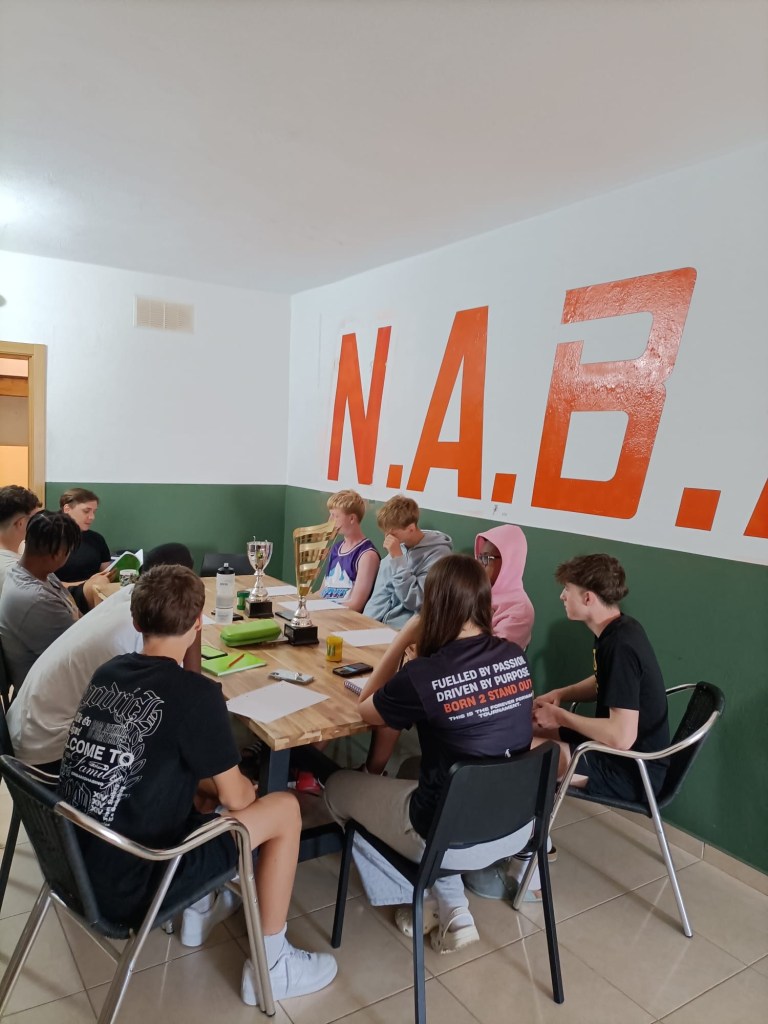
One of the most overlooked aspects of player development has nothing to do with the physical game. It begins with structure, clarity, and ownership. When we sit down with young athletes to agree on rules, core values, and goals, we are not only setting a framework for performance. We’re building confidence, autonomy, and accountability.
Why rules should be built together?
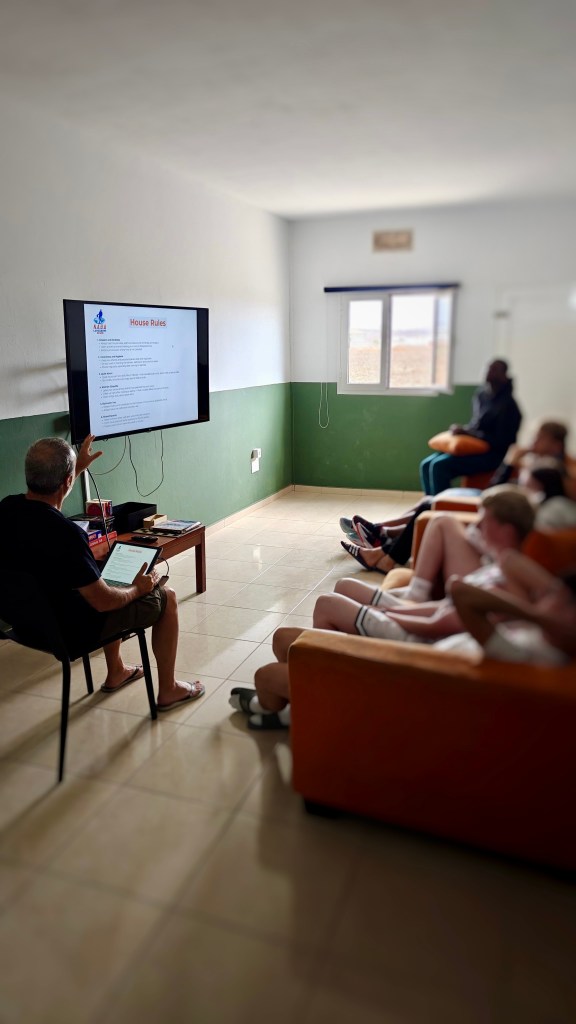
As staff, it’s natural to want to step in as the authority figure. Rules are important to set boundaries and ensure safety. But when athletes are included in the decision-making process, those rules stop being “imposed” and start being “owned.”
Creating shared rules together fosters:
- Commitment – Athletes buy in because they had a voice in the process.
- Confidence – Being heard reinforces their sense of belonging.
- Autonomy – Rules become something they uphold, not just something they follow.
It’s not about giving away authority, it’s about building shared responsibility.
Values that go beyond the court
Rules keep order, but values give meaning. When players and staff work together to identify the core values of the team, it opens a window into what truly matters to them as people.
For some, respect and discipline take priority. For others, it’s teamwork, resilience, or accountability. Once these values are agreed upon, they guide decisions, shape culture and remind both players and staff of the bigger picture.
Values are the glue that connects the athlete’s personal growth with the team’s collective journey.
Goals: From abstract to concrete
Every athlete and every team wants to “win” or “be the best.” But vague phrases don’t drive behavior. Specific and measurable goals do.
Instead of saying “play better defense” players can set goals like:
- “Hold our opponents under 70 points.”
- “Secure the most rebounds in the league.”
- “Score more points as a team than last season.”
The power of measurable goals is twofold:
- Clarity – Everyone knows what success looks like.
- Contribution – Every player can see how their effort impacts the outcome.
At NABA, we also took this approach to coliving. Since our focus is on player development, team-wide sport goals were not necessary. Instead, we emphasized individual development goals for the athletes, while team goals centered on shared living spaces—respect, routines, and collaboration in their accommodation.
Accountability That Comes From Within
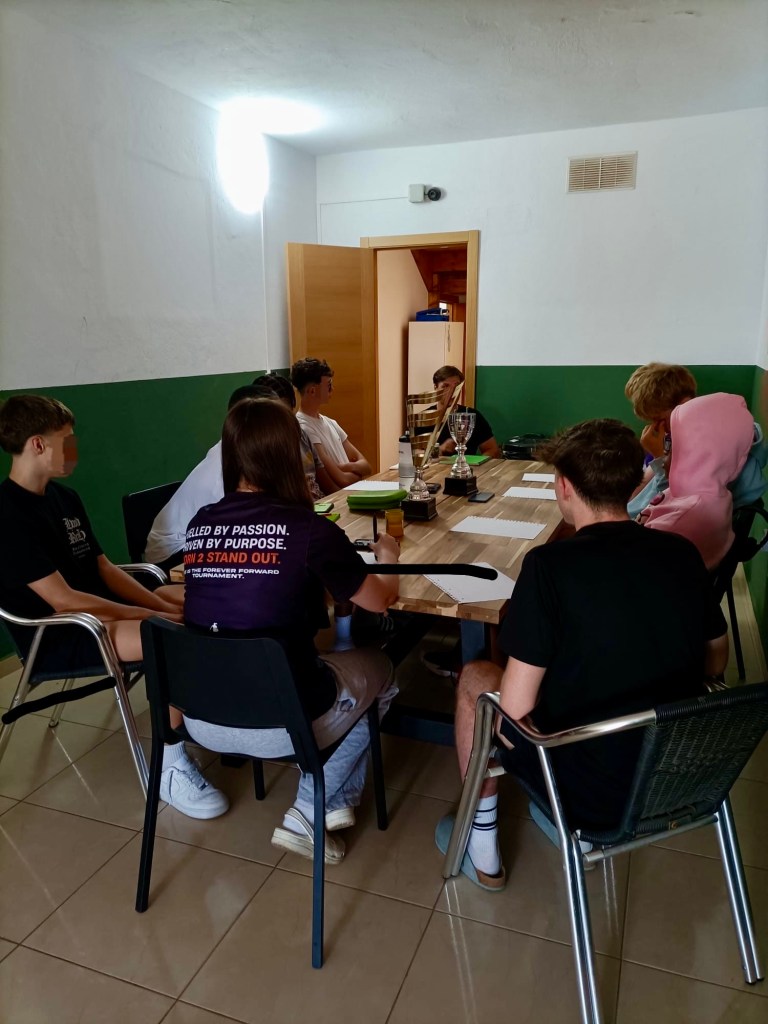
Finally, no framework is complete without accountability. Together with the players, we also set the penalties for breaking rules or values.
When consequences are mutually agreed upon, they are no longer punishments handed down from authority. They become a shared contract that builds responsibility not only to oneself but also toward teammates.
This collective accountability deepens trust, creates stronger bonds and strengthens motivation.
The Bigger Picture!
These exercises may look simple on the surface; sitting in a circle, discussing rules, values and goals but the impact is profound. Players surprise us with their ambition. They open up about what drives them and they learn that their voice matters in shaping the team they are a part of.
At its core, this process is about more than basketball. It’s about equipping young athletes with tools they will carry into every aspect of life: confidence, ownership, accountability and the ability to collaborate toward something bigger than themselves.
 The Sisu Mind
Leave a comment